The Hidden Crisis: Child Nutrition and Hunger in Africa
The Hidden Crisis: Child Nutrition and Hunger in Africa
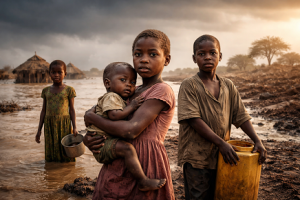
Across Africa, a silent emergency is unfolding—one that does not always dominate headlines but affects millions of lives daily. Child nutrition and hunger remain among the most pressing challenges on the continent, with devastating consequences for health, education, and long-term development.
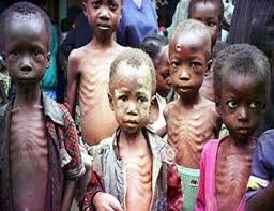
Despite global progress in reducing hunger, Africa continues to experience rising levels of food insecurity, making it the epicenter of the global child nutrition crisis.
Child Nutrition: The Scale of the Crisis
Child malnutrition in Africa is widespread and deeply concerning. According to recent data, nearly 13 million children in Eastern and Southern Africa alone suffer from acute malnutrition, including millions facing the most severe and life-threatening form. (UNICEF) Across the continent, more than one in five people experience hunger, and projections suggest that by 2030, Africa could be home to nearly 60% of the world’s hungry population. (UNICEF DATA)
Malnutrition manifests in several ways, including stunting (chronic undernutrition), wasting (acute malnutrition), and micronutrient deficiencies. Sub-Saharan Africa alone accounts for about 62 million stunted children, meaning their physical and cognitive development is permanently affected. (UNICEF DATA)
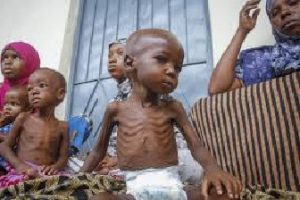
Behind these statistics are real children—infants too weak to cry, toddlers unable to grow, and school-aged children struggling to concentrate due to hunger. Malnutrition not only threatens survival but also limits a child’s ability to reach their full potential.
Child Nutrition: Causes of Child Hunger in Africa
The causes of child hunger in Africa are complex and interconnected, making the crisis difficult to solve.
1. Poverty and Economic Inequality
Many families cannot afford nutritious food. Even when food is available, rising prices make healthy diets inaccessible. Globally, about 2.6 billion people cannot afford a healthy diet, and the situation is worsening in Africa due to inflation and low incomes. (UNICEF DATA)
2. Climate Change and Environmental Shocks
Droughts, floods, and unpredictable rainfall patterns have devastated agriculture—the main source of livelihood for many African families. In regions like the Horn of Africa, repeated failed rainy seasons have left crops destroyed and livestock dead, pushing families into extreme hunger. (https://unicef.pl/)
3. Conflict and Insecurity
War and violence disrupt food production, displace communities, and limit access to humanitarian aid. Countries such as Somalia, South Sudan, and parts of Nigeria face severe food crises due to ongoing insecurity.
4. Poor Healthcare and Limited Nutrition Services
In many rural areas, access to healthcare is limited. Malnourished children often do not receive timely treatment, increasing the risk of death. Even when treatment is available, funding shortages restrict outreach programs and the supply of essential therapeutic foods. (UNICEF)
5. Inadequate Infant Feeding Practices
Lack of awareness about proper breastfeeding and child feeding practices contributes to malnutrition. Although progress has been made, only about one-third of young children globally meet minimum dietary diversity, highlighting a major gap in nutrition education. (UNICEF DATA)
The Impact on Children
The effects of hunger and poor nutrition on children are profound and long-lasting.
- Health Risks: Malnourished children have weakened immune systems, making them more vulnerable to diseases like malaria, diarrhea, and pneumonia. Severe acute malnutrition significantly increases the risk of death.
- Stunted Growth and Development: Chronic malnutrition leads to stunting, which affects both physical growth and brain development.
- Educational Challenges: Hungry children struggle to concentrate in school, leading to poor academic performance and higher dropout rates.
- Intergenerational Effects: Malnourished girls are more likely to become malnourished mothers, continuing the cycle of poverty and hunger.
In some regions, the crisis has reached alarming levels. For example, in Nigeria, millions of children face severe hunger, with projections indicating over 6 million children could be acutely malnourished in 2026. (The Guardian)
Child Nutrition: A Changing Face of Malnutrition
Interestingly, Africa is also experiencing a double burden of malnutrition. While many children suffer from undernutrition, others are becoming overweight due to increased consumption of cheap, processed foods. This paradox highlights the complexity of modern food systems, where access to calories does not always mean access to proper nutrition.
Globally, childhood obesity is rising rapidly, driven by unhealthy diets and changing lifestyles. (Vox) Although undernutrition remains the dominant issue in Africa, this emerging trend poses an additional challenge for policymakers.
Efforts to Combat the Crisis
Despite the severity of the situation, significant efforts are being made to address child hunger and improve nutrition across Africa.
1. School Feeding Programs
Governments and organizations are expanding school meal programs, which not only improve nutrition but also encourage school attendance. Recent initiatives have successfully reached millions of additional children across the continent. (Reuters)
2. Therapeutic Feeding and Emergency Aid
Organizations like UNICEF provide Ready-to-Use Therapeutic Food (RUTF) to treat severely malnourished children. These life-saving interventions have helped millions recover, although funding gaps remain a major obstacle. (UNICEF)
3. Nutrition Education and Community Programs
Programs that educate parents about breastfeeding, hygiene, and balanced diets are helping to prevent malnutrition before it starts.
4. Agricultural and Economic Support
Investments in agriculture, irrigation, and local food systems aim to improve food availability and reduce dependency on imports.
Child Nutrition: The Way Forward
Addressing child nutrition and hunger in Africa requires a comprehensive and sustained approach.
- Increase Investment: Governments must allocate more resources to healthcare, nutrition programs, and agriculture.
- Strengthen Food Systems: Supporting local farmers and improving food distribution can ensure consistent access to nutritious food.
- Enhance Climate Resilience: Developing drought-resistant crops and sustainable farming practices can mitigate the impact of climate change.
- Expand Social Protection Programs: Cash transfers and food assistance can help vulnerable families afford nutritious diets.
- Global Cooperation: International support remains crucial, especially in conflict-affected and high-risk regions.
Child Nutrition: Conclusion
The crisis of child nutrition and hunger in Africa is both urgent and preventable. While progress has been made in some areas, millions of children still face daily struggles for survival. Hunger robs them of their health, education, and future, perpetuating cycles of poverty across generations.
This is not just a humanitarian issue—it is a moral and developmental challenge that demands immediate action. By investing in nutrition, strengthening food systems, and addressing the root causes of hunger, Africa can secure a healthier, more prosperous future for its children.
The hidden crisis must no longer remain hidden.