Child Malnutrition: The Silent Crisis Affecting Millions
Child Malnutrition: The Silent Crisis Affecting Millions
Child malnutrition is one of the most pressing yet overlooked global issues of our time. Despite progress in healthcare, education, and economic development, millions of children worldwide suffer from inadequate nutrition.
This threatens not only their immediate health but also their long-term physical, cognitive, and emotional development. The crisis is complex, multifaceted, and deeply rooted in social, economic, and environmental inequalities.
Understanding Child Malnutrition
Malnutrition occurs when the body does not get the right balance of nutrients. In children, it can take several forms:
- Stunting – low height for age, reflecting chronic malnutrition. It affects growth and cognitive development.
- Wasting – low weight for height, showing acute malnutrition caused by sudden food shortages or illness.
- Underweight – combines elements of stunting and wasting.
- Micronutrient deficiencies – lack of essential vitamins and minerals such as iron, iodine, vitamin A, and zinc.
These deficiencies weaken immunity, increase susceptibility to disease, and slow overall development.
According to the World Health Organization (WHO), as of 2020:
- 45 million children under five were affected by wasting.
- 149 million children were stunted.
- 38.9 million children were overweight.
This shows the dual burden of malnutrition: undernutrition and rising obesity due to poor diet quality.
Causes of Child Malnutrition
The causes are both immediate and systemic.
Immediate Causes
Children require a balanced diet of protein, carbohydrates, fats, vitamins, and minerals. When diets lack diversity or sufficient calories, children cannot meet their nutritional needs. Frequent illnesses, especially diarrhea, respiratory infections, and parasitic infections, further worsen malnutrition. Illness reduces nutrient absorption and increases energy requirements.
Underlying Causes
Poverty, food insecurity, poor maternal health, and limited healthcare access are major factors. Families living in extreme poverty may struggle to afford nutritious food, clean water, and medical care. Malnutrition during pregnancy or lactation increases a child’s risk of low birth weight and stunting. Cultural norms, lack of nutrition education, and poor breastfeeding practices also contribute.
Environmental and Social Factors
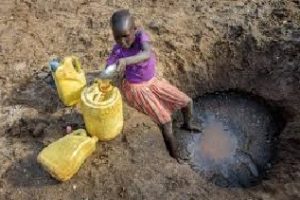
Climate change, conflict, and natural disasters make malnutrition worse. Droughts, floods, and crop failures reduce food availability. War and displacement disrupt supply chains and healthcare access. Children in these areas are the most vulnerable.
Consequences of Child Malnutrition
Malnutrition has severe and often irreversible effects.
Physical Effects
Malnourished children experience delayed growth, weak immune systems, and higher risk of illness and death. Stunting can lead to permanent height reduction and long-term health problems, including diabetes and heart disease in adulthood.
Cognitive and Emotional Effects
Malnutrition affects brain development. Children may face learning difficulties, delayed milestones, and poor academic performance. Iron deficiency anemia can reduce attention span, memory, and problem-solving skills. Emotionally, malnourished children may feel low self-esteem, social isolation, and struggle with behavior.
Societal and Economic Effects
Malnourished children are less likely to succeed academically, reducing future employability and income. This perpetuates cycles of poverty and inequality. Economically, countries lose up to 3% of their GDP annually due to long-term malnutrition impacts.
Global Efforts to Combat Malnutrition
Efforts require a comprehensive approach. Governments, NGOs, and international organizations have developed programs to improve nutrition, promote healthy practices, and support vulnerable populations.
Nutrition-Specific Interventions
These target immediate causes of malnutrition:
- Promoting exclusive breastfeeding for the first six months.
- Providing vitamin and mineral supplements.
- Ensuring access to therapeutic foods for severely malnourished children.
- Implementing school feeding programs.
These interventions improve growth, reduce disease, and enhance cognitive outcomes.
UNICEF Child Nutrition Fund
To address severe malnutrition long-term, UNICEF launched the Child Nutrition Fund (CNF) last year, with support from the UK Foreign Commonwealth and Development Office, the Bill and Melinda Gates Foundation, and the Children’s Investment Fund Foundation.
The CNF supports local and regional production of first foods – fortified foods, food supplements, and RUTF (Ready-to-Use Therapeutic Foods) – in areas with high malnutrition. This approach:
- Reduces reliance on global supply chains.
- Lowers environmental impacts of shipment.
- Creates jobs and boosts local economies.
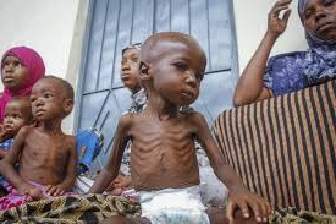
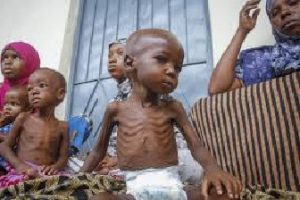
Once fully implemented, the CNF will help countries handle funding shortages and RUTF demand fluctuations. Children suffering from wasting, caused by repeated illness and lack of nutritious food, are dangerously thin and vulnerable to poor development and death.
“UNICEF has repeatedly warned that without sustainable prevention strategies and sustained financing, RUTF stockouts would occur in several countries, with the Sahel hardest hit,” Aguayo said. “Funding from this appeal complements recent RUTF contributions, sustaining production and availability, including from manufacturers in the global south.”
Nutrition-Sensitive Interventions
These target underlying causes and ensure sustainable change:
- Improve access to clean water, sanitation, and healthcare.
- Enhance food security via agricultural development.
- Empower women through education and income opportunities.
- Implement social protection programs like cash transfers.
By addressing broader determinants, these interventions create environments where children can thrive.
Global initiatives like the United Nations’ Sustainable Development Goals (SDGs) emphasize ending hunger and promoting health. SDG 2 aims to reduce stunting, wasting, and malnutrition worldwide. Organizations like UNICEF, WHO, and WFP work with governments to implement large-scale programs and track progress.
Role of Communities and Families
Local action is critical. Communities support mothers and caregivers, promote healthy nutrition practices, and ensure food access. Education on breastfeeding, diet diversity, and hygiene empowers families to make informed choices. Community gardens, local markets, and nutrition clubs improve access to nutritious foods in resource-limited settings.
Parents and caregivers prevent malnutrition by providing balanced diets, vaccinations, hygiene, and responsive care. Regular growth monitoring and early medical care for illnesses save lives and prevent long-term effects.
Child malnutrition; A Call to Action
Child malnutrition is preventable and solvable with collective action. Ending it requires political commitment, adequate funding, and innovative solutions. Governments, international organizations, communities, and families must ensure every child has nutritious food, healthcare, and a safe environment.
Malnutrition is not only a health issue but a human rights issue. Every child deserves the opportunity to grow, learn, and reach their potential. Addressing malnutrition invests in the future of children, communities, and nations.
In conclusion, child malnutrition affects millions of children, especially in low- and middle-income countries. Its consequences are far-reaching, but solutions exist. Coordinated interventions addressing both immediate needs and systemic inequalities can transform lives and break cycles of malnutrition for generations.