Period Poverty and the Girl Child: Every Girl Deserves Dignity
Period Poverty and the Girl Child: Every Girl Deserves Dignity
Menstruation is a normal biological process, yet many girls still face embarrassment, discrimination, and barriers to managing their periods safely.
For a girl who cannot afford menstrual products, lacks access to clean water, or has no private toilet at school, her period can become a source of worry rather than a normal part of growing up.
This is the reality of period poverty.
Period poverty is not simply about the inability to buy sanitary pads. It also includes inadequate access to menstrual health education, clean facilities, safe disposal options, and the support girls need to manage menstruation with confidence.
Every girl deserves dignity, accurate information, and the opportunity to continue her daily activities without shame.
What Is Period Poverty?
Period poverty describes the difficulties people experience when they cannot afford or access suitable menstrual products and the facilities, information, and support needed to manage menstruation safely.
The problem can affect girls from low-income households, displaced communities, rural areas, and other settings where essential resources are limited.
In Nigeria, the cost of menstrual products can be a challenge for some families, particularly when they are also struggling to pay for food, transportation, healthcare, and school materials.
For these girls, managing menstruation may involve difficult choices that no child should have to make.
How Does Period Poverty Affect the Girl Child?
1. Missed School Days
Some girls miss classes because they lack menstrual products or fear leaking, teasing, or embarrassment.
Missing lessons repeatedly can affect participation, confidence, and academic progress. Schools can help by improving access to menstrual products, private toilets, clean water, and supportive staff.
2. Shame and Stigma
When menstruation is treated as dirty or something to hide, girls may feel uncomfortable asking for help.
Silence and stigma can prevent them from receiving accurate information about their bodies. Menstrual education should be respectful, age-appropriate, and available to girls and boys.
Understanding menstruation helps create a more supportive school environment.
3. Unsafe Menstrual Management
When suitable products are unavailable, girls may use whatever materials they can find. Depending on the materials and how they are used, this can cause discomfort or irritation and make it harder to manage their periods safely.
Girls need reliable information, suitable products, and access to clean facilities so they can manage menstruation in ways that are safe and comfortable for them.
4. Financial Pressure on Families
Menstrual products are recurring necessities. Families with limited resources may struggle to afford them every month.
Providing targeted support through schools, community organisations, health programmes, and social initiatives can reduce this burden.
Menstrual Health Is a Right, Not a Luxury
Menstrual health should be recognised as an important part of health, dignity, education, and gender equality.
No girl should feel that she is less deserving of education or respect because she menstruates.
Schools should provide clean and private toilet facilities, reliable water supplies, suitable disposal options, and clear information about menstrual health.
Families should create spaces where girls can ask questions without fear of punishment or ridicule.
Communities should also challenge myths that portray menstruation as a weakness or something shameful.
Five Ways to Fight Period Poverty
1. Make Menstrual Products More Accessible
Support initiatives that provide suitable menstrual products to girls who need them. Donations should respond to the preferences and needs of recipients rather than assuming one product works for everyone.
2. Promote Menstrual Health Education
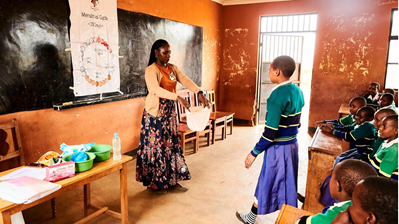
Organise age-appropriate educational sessions that explain the menstrual cycle, hygiene, common concerns, and when to seek professional health advice.
Accurate information helps girls understand their bodies and recognise when something may require medical attention.
3. Improve School Facilities
Schools need clean toilets, water, privacy, handwashing facilities, and appropriate waste disposal. These basic resources are essential for students who menstruate.
4. Involve Boys and Men
Menstrual health is not exclusively a girls’ issue. Boys, fathers, teachers, and male community leaders can help challenge stigma and support girls with respect.
Open and informed conversations can reduce teasing and encourage healthier attitudes.
5. Support Community Organisations
Volunteer with credible organisations working on menstrual health, donate appropriate supplies, help organise awareness activities, or support programmes that reach underserved girls.
Community action can make a difference, especially when it is consistent and informed by the needs of the girls being served.
What Can Young People Do?
Young people have the power to challenge stigma and create positive change.
You can use your voice to share accurate menstrual health information, create educational videos, organise school discussions with appropriate adult support, or advocate for better sanitation facilities.
You can also listen to girls who experience period poverty and include their perspectives when planning awareness campaigns.
However, protecting dignity is essential. Never share a girl’s personal story, photograph, or experience without her informed permission and appropriate safeguarding. Support should never depend on someone publicly disclosing private information.
Small actions can help build communities where menstruation is understood rather than mocked.
Beyond Pads: Building Period-Friendly Communities
Providing sanitary pads is important, but lasting change requires a broader approach.
Girls need affordable products, reliable information, safe toilets, clean water, appropriate healthcare, and supportive environments.
Governments, schools, families, healthcare providers, businesses, and civil society organisations should work together to make these resources accessible.
Menstrual health programmes should also be sustainable. Rather than focusing only on occasional donations, communities can develop long-term approaches that help girls access what they need every month.
Most importantly, girls should be included in the conversations and decisions that affect them.
Every Girl Deserves to Live With Dignity
Imagine a school where a girl can ask for a pad without embarrassment, use a clean toilet with privacy, and continue her lessons with confidence.
Imagine a community where menstruation is understood, families are supportive, and no girl is mocked for a natural biological process.
This is the kind of world we should be building.
Period poverty is a challenge, but it is not impossible to address. Through education, practical support, improved facilities, and collective action, we can help girls protect their health, participate in education, and feel respected.
A period should never be a barrier to a girl’s education, confidence, or dignity.
Let us make menstrual health a priority and work towards a world where every girl has the resources and support she needs.
The future starts with us.
Period Poverty Frequently Asked Questions
1. What is period poverty?
Period poverty is the inability to access suitable menstrual products, facilities, information, and support needed to manage menstruation safely and with dignity.
2. How does period poverty affect education?
It can contribute to missed school days, discomfort, anxiety, and reduced participation in lessons when girls lack products or appropriate facilities.
3. How can we help girls experiencing period poverty?
We can provide appropriate menstrual products, promote accurate education, improve school sanitation, challenge stigma, and support sustainable community programmes.
4. Why should boys learn about menstrual health?
Education helps boys understand menstruation as a normal biological process, challenge harmful myths, and treat girls with empathy and respect.
5. What is a period-friendly school?
A period-friendly school provides menstrual health information, access to suitable products and clean water, private toilet facilities, safe disposal options, and a respectful environment for students.