End Child Marriage: Protecting Every Girl’s Right to Choose

End Child Marriage: Protecting Every Girl’s Right to Choose Her Future

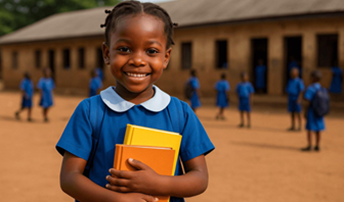
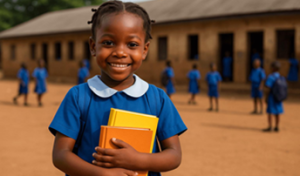
Every girl deserves a childhood filled with learning, friendship, laughter, and dreams. She deserves the opportunity to discover who she is and decide what she wants to become when she grows up.
# End Child Marriage: Protecting Every Girl's Right to Choose Her Future Every girl deserves a childhood filled with learning, friendship, laughter, and dreams. She deserves the opportunity to discover who she is and decide what she wants to become when she grows up. Yet, for many girls around the world, childhood is interrupted by child marriage. Instead of focusing on education and personal development, some girls face adult responsibilities before they are physically, emotionally, or financially ready. Their choices may be restricted, and their opportunities to pursue an education or career may become limited. Ending child marriage is not simply a social issue. It is a matter of protecting children's rights, dignity, safety, and future opportunities. ## What Is Child Marriage? Child marriage is a formal marriage or informal union in which at least one person is under 18 years old. It disproportionately affects girls and is often connected to poverty, gender inequality, harmful social expectations, insecurity, and limited access to education. In some communities, families may believe marriage will provide financial security or protect a girl. However, child marriage can expose girls to serious risks and deny them the freedom to develop at their own pace. Every child deserves protection and the opportunity to grow up before taking on adult commitments. ## How Does Child Marriage Affect Girls? ### 1. It Can Interrupt Education Marriage may force a girl to leave school or make it difficult for her to continue learning. Without access to education, she may have fewer opportunities to develop skills and become financially independent. Keeping girls in school and supporting their ambitions are important steps towards preventing child marriage. ### 2. It Can Affect Health and Well-Being Girls who marry during childhood may face increased health risks, particularly if they experience early pregnancy. They may also experience stress, isolation, or pressure from responsibilities they are not ready to manage. Girls need access to age-appropriate health information, supportive adults, and services that protect their physical and emotional well-being. ### 3. It Can Limit Personal Freedom Every child should have a voice in decisions that affect their life. Child marriage can limit a girl's ability to make choices about her education, relationships, and future. Protecting girls means listening to them, respecting their rights, and ensuring that harmful practices do not determine their lives. ### 4. It Can Reinforce Poverty When a girl leaves school early and has limited opportunities to gain skills, she may find it harder to earn an income later in life. This can reinforce cycles of economic hardship across generations. Education, economic opportunities, social protection, and community support can help families and girls build more secure futures. ## Why Does Child Marriage Continue? There is no single explanation. Several factors can contribute to the practice. **Poverty:** Families facing severe financial difficulties may view marriage as a way to reduce household expenses. **Gender inequality:** Some communities place greater value on boys' education and independence than on girls' choices. **Social pressure:** Families may feel compelled to follow traditions or expectations that disadvantage girls. **Limited educational access:** When schools are far away, unsafe, or unaffordable, girls can become more vulnerable to early marriage. **Conflict and emergencies:** Displacement, insecurity, and economic shocks can increase the risks faced by children and their families. Addressing these causes requires more than awareness campaigns. It requires sustained support for families, stronger child protection systems, accessible education, and community-led change. ## How Can We Help End Child Marriage? Everyone has a role in protecting girls' rights. ### Support Girls' Education Help girls remain in school by promoting scholarships, safe learning environments, school supplies, and access to menstrual hygiene products. ### Speak Up for Children's Rights Share accurate information about the harms of child marriage and encourage respectful conversations in schools, families, and communities. ### Support Families in Difficult Circumstances Social assistance, livelihood programmes, and community support can help reduce financial pressures that make harmful practices more likely. ### Listen to Girls and Young People Girls should participate meaningfully in decisions about programmes and policies that affect their lives. Their experiences and ideas can help communities create better solutions. ### Strengthen Child Protection Governments and institutions should implement laws that protect children, provide accessible reporting channels, and ensure that vulnerable girls can receive help without fear or discrimination. In Nigeria, efforts must also consider differences between communities and states, working with local leaders, educators, families, and child protection organisations. ## Let Girls Be Children A girl should not have to exchange her education for marriage. She should not be forced to abandon her ambitions because of poverty or pressure from others. She deserves time to learn, explore her interests, build friendships, and develop the confidence to make informed decisions as she grows older. Ending child marriage means investing in education, equality, protection, and opportunity. It also means changing the way society sees girls: not as burdens to be transferred to another household, but as children with rights, abilities, and unlimited potential. ## The Future We Must Build Imagine a girl who completes her education, discovers her talent, becomes a leader in her community, and helps other girls pursue their dreams. That future becomes more possible when she is protected from child marriage and given the opportunity to grow. Let us work towards a world where every girl can enjoy her childhood, access education, and pursue her future without coercion. **Protect her childhood. Defend her rights. Give her the opportunity to choose her future.** *The future starts with us.* ### Frequently Asked Questions **1. What is the meaning of child marriage?** Child marriage is a marriage or informal union in which at least one person is under 18. **2. Why should child marriage end?** It can violate children's rights, interrupt education, increase health risks, restrict personal freedom, and reinforce poverty and gender inequality. **3. How can communities prevent child marriage?** Communities can support girls' education, challenge harmful gender norms, provide economic assistance to vulnerable families, and strengthen child protection services. **4. What can young people do to end child marriage?** Young people can raise awareness, support girls' rights campaigns, share educational resources, challenge discrimination, and encourage adults and decision-makers to protect children.
End Child Marriage

Yet, for many girls around the world, childhood is interrupted by child marriage.

Instead of focusing on education and personal development, some girls face adult responsibilities before they are physically, emotionally, or financially ready. Their choices may be restricted, and their opportunities to pursue an education or career may become limited.

Ending child marriage is not simply a social issue. It is a matter of protecting children’s rights, dignity, safety, and future opportunities.

What Is Child Marriage?

Child marriage is a formal marriage or informal union in which at least one person is under 18 years old.

It disproportionately affects girls and is often connected to poverty, gender inequality, harmful social expectations, insecurity, and limited access to education.

In some communities, families may believe marriage will provide financial security or protect a girl. However, child marriage can expose girls to serious risks and deny them the freedom to develop at their own pace.

Every child deserves protection and the opportunity to grow up before taking on adult commitments.

How Does Child Marriage Affect Girls?

1. It Can Interrupt Education

Marriage may force a girl to leave school or make it difficult for her to continue learning. Without access to education, she may have fewer opportunities to develop skills and become financially independent.

Keeping girls in school and supporting their ambitions are important steps towards preventing child marriage.

2. It Can Affect Health and Well-Being

Girls who marry during childhood may face increased health risks, particularly if they experience early pregnancy. They may also experience stress, isolation, or pressure from responsibilities they are not ready to manage.

Girls need access to age-appropriate health information, supportive adults, and services that protect their physical and emotional well-being.

3. It Can Limit Personal Freedom

Every child should have a voice in decisions that affect their life. Child marriage can limit a girl’s ability to make choices about her education, relationships, and future.

Protecting girls means listening to them, respecting their rights, and ensuring that harmful practices do not determine their lives.

4. It Can Reinforce Poverty

When a girl leaves school early and has limited opportunities to gain skills, she may find it harder to earn an income later in life. This can reinforce cycles of economic hardship across generations.

Education, economic opportunities, social protection, and community support can help families and girls build more secure futures.

End Child Marriage: Why Does Child Marriage Continue?

There is no single explanation. Several factors can contribute to the practice.

  • Poverty: Families facing severe financial difficulties may view marriage as a way to reduce household expenses.
  • Gender inequality: Some communities place greater value on boys’ education and independence than on girls’ choices.
  • Social pressure: Families may feel compelled to follow traditions or expectations that disadvantage girls.
  • Limited educational access: When schools are far away, unsafe, or unaffordable, girls can become more vulnerable to early marriage.
  • Conflict and emergencies: Displacement, insecurity, and economic shocks can increase the risks faced by children and their families.

Addressing these causes requires more than awareness campaigns. It requires sustained support for families, stronger child protection systems, accessible education, and community-led change.

How Can We Help End Child Marriage?

Everyone has a role in protecting girls’ rights.

Support Girls’ Education

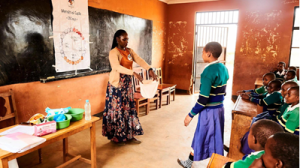
Help girls remain in school by promoting scholarships, safe learning environments, school supplies, and access to menstrual hygiene products.

Speak Up for Children’s Rights

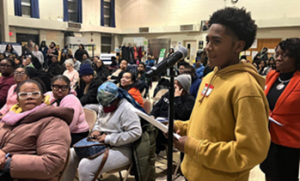
Share accurate information about the harms of child marriage and encourage respectful conversations in schools, families, and communities.

Support Families in Difficult Circumstances

Social assistance, livelihood programmes, and community support can help reduce financial pressures that make harmful practices more likely.

Listen to Girls and Young People

Girls should participate meaningfully in decisions about programmes and policies that affect their lives. Their experiences and ideas can help communities create better solutions.

Strengthen Child Protection

Governments and institutions should implement laws that protect children, provide accessible reporting channels, and ensure that vulnerable girls can receive help without fear or discrimination.

In Nigeria, efforts must also consider differences between communities and states, working with local leaders, educators, families, and child protection organisations.

Let Girls Be Children

A girl should not have to exchange her education for marriage. She should not be forced to abandon her ambitions because of poverty or pressure from others.

She deserves time to learn, explore her interests, build friendships, and develop the confidence to make informed decisions as she grows older.

Ending child marriage means investing in education, equality, protection, and opportunity.

It also means changing the way society sees girls: not as burdens to be transferred to another household, but as children with rights, abilities, and unlimited potential.

The Future We Must Build

Imagine a girl who completes her education, discovers her talent, becomes a leader in her community, and helps other girls pursue their dreams. That future becomes more possible when she is protected from child marriage and given the opportunity to grow.

Let us work towards a world where every girl can enjoy her childhood, access education, and pursue her future without coercion.

Protect her childhood. Defend her rights. Give her the opportunity to choose her future.

The future starts with us.

End Child Marriage Frequently Asked Questions

1. What is the meaning of child marriage?

Child marriage is a marriage or informal union in which at least one person is under 18.

2. Why should child marriage end?

It can violate children’s rights, interrupt education, increase health risks, restrict personal freedom, and reinforce poverty and gender inequality.

3. How can communities prevent child marriage?

Communities can support girls’ education, challenge harmful gender norms, provide economic assistance to vulnerable families, and strengthen child protection services.

What can young people do to end child marriage?

Young people can raise awareness, support girls’ rights campaigns, share educational resources, challenge discrimination, and encourage adults and decision-makers to protect children.