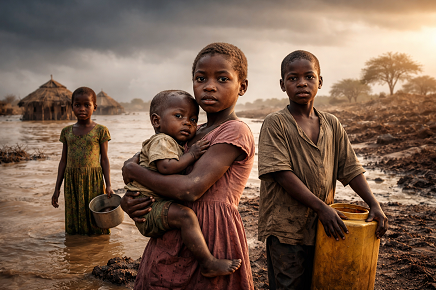
Children and Climate Change in Africa
Children and Climate Change in Africa: The Future at Risk
Children and Climate Change: A Generation on the Frontline
Across the African continent, a silent crisis is unfolding—one that threatens not only ecosystems and economies but the very future of its youngest population. Climate change, once perceived as a distant environmental issue, has become an immediate and deeply personal crisis for millions of African children. Unlike adults, children have little control over their environments, yet they bear the greatest burden of climate-related shocks.
Africa contributes the least to global greenhouse gas emissions, yet it is among the most vulnerable regions to climate change. Rising temperatures, erratic rainfall, prolonged droughts, devastating floods, and environmental degradation are increasingly shaping the daily realities of African families. For children, these changes translate into disrupted education, malnutrition, disease, displacement, and lost opportunities.
According to UNICEF, children in 98% of African countries are at high or extremely high risk from climate impacts, affecting their health, safety, and development (Health Policy Watch). This stark reality underscores an urgent truth: climate change is not just an environmental crisis—it is a child rights crisis.
Children and Climate Change: Understanding Climate Change in Africa
Climate change in Africa manifests in several interconnected ways:
- Rising temperatures (Africa is warming faster than the global average)
- Increased frequency of droughts and floods
- Desertification and land degradation
- Rising sea levels in coastal regions
- Unpredictable rainfall patterns
These changes directly threaten agriculture, water supply, and health systems—the very foundations of survival for millions of families. Over half of Africa’s workforce depends on agriculture, making climate disruptions especially devastating
For children, this means growing up in environments where basic needs—food, water, shelter, and safety—are no longer guaranteed.
Children and Climate Change: Why Children Are More Vulnerable
Children are disproportionately affected by climate change for several reasons:
1. Physical Vulnerability
Children’s bodies are still developing, making them more susceptible to:
- Heat stress
- Malnutrition
- Waterborne diseases
- Air pollution
Globally, children bear 88% of the disease burden linked to climate change
2. Dependence on Adults
Children rely on caregivers for survival. When families lose livelihoods due to climate shocks, children suffer first—often through hunger or lack of education.
3. Limited Voice and Power
Children rarely participate in decision-making processes, even though they will live longest with the consequences.
4. Long-Term Impact
Climate change affects children’s:
- Brain development
- Educational attainment
- Future earning potential
Children and Climate Change: Extreme Weather and Child Displacement
One of the most visible impacts of climate change is forced displacement.
Between 2017 and 2023, 8.8 million children in Eastern and Southern Africa were displaced due to weather-related disasters
Causes of Displacement:
- Floods washing away homes
- Droughts destroying livelihoods
- Cyclones damaging infrastructure
Consequences for Children:
- Loss of homes and community
- Interrupted education
- Increased risk of exploitation and trafficking
- Psychological trauma
Floods alone displaced 5.2 million children, highlighting how rapidly climate events can uproot young lives
Food Insecurity and Malnutrition
Climate change is deeply tied to hunger in Africa.
How Climate Affects Food:
- Drought reduces crop yields
- Flooding destroys farmland
- Heat stress affects livestock
- Soil degradation reduces productivity
This leads to:
- Food shortages
- Rising food prices
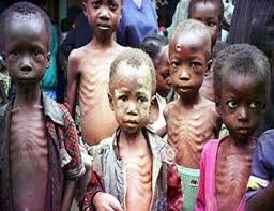
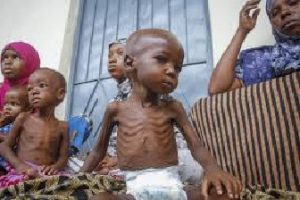
- Increased malnutrition
Children are the most affected. Malnutrition:
- Weakens immune systems
- Stunts growth
- Impairs cognitive development
Africa already faces high hunger levels, and climate change is worsening the situation. With projections showing the continent could host 60% of the world’s hungry by 2030, the implications for children are alarming
Health Impacts on Children
Climate change is driving a surge in child health challenges:
1. Infectious Diseases
- Malaria spreads faster in warmer climates
- Flooding increases cholera outbreaks
- Poor sanitation worsens disease spread
For example, flooding has contributed to rising malaria cases in parts of Africa
2. Water Scarcity
- Lack of clean water leads to diarrhea and dehydration
- Children often walk long distances to fetch water
3. Air Pollution
- Increases respiratory illnesses like asthma
- Affects brain development
4. Heat Exposure
- Extreme heat impacts physical and cognitive development
- High temperatures reduce learning ability
Education Disrupted
Climate change is a major barrier to education in Africa.
- Schools are destroyed by floods and storms
- Children drop out due to poverty or migration
- Girls are especially affected
More than 2 million children in Africa are at risk of dropping out of school due to climate-related disasters (ACERWC).
In some cases:
- Schools become shelters for displaced families
- Children are forced into labor to support families
Water Crisis and Its Impact
Water scarcity is one of the most pressing climate-related issues in Africa.
Effects on Children:
- Time spent fetching water reduces school attendance
- Unsafe water leads to disease
- Girls face increased risk of violence while collecting water
As droughts become more frequent, water insecurity continues to worsen.
Children and Climate Change: Mental Health and Climate Anxiety
An often-overlooked impact is psychological:
- Fear of disasters
- Loss of homes and loved ones
- Uncertainty about the future
Children experience:
- Anxiety
- Depression
- Trauma
Climate anxiety is becoming a real and growing issue among young people.
Gender Dimensions: Girls at Greater Risk
Climate change affects boys and girls differently.
Girls face:
- Increased risk of child marriage
- School dropout due to household responsibilities
- Exposure to gender-based violence
In times of crisis, families may marry off daughters early as a coping mechanism.
Urban vs Rural Impact
Rural Areas:
- Dependence on agriculture
- High exposure to drought and famine
Urban Areas:
- Flooding in slums
- Poor sanitation
- Heat stress in overcrowded areas
Children in informal settlements face extreme vulnerability.
Conflict and Climate Change
Climate change can fuel conflict over scarce resources such as:
- Water
- Land
- Food
This leads to:
- Displacement
- Violence
- Instability
Children in conflict zones face compounded risks.
Economic Consequences
Climate change costs African economies 2–5% of GDP annually
This reduces:
- Government spending on education and healthcare
- Opportunities for future generations
Children growing up in these conditions face lifelong economic disadvantages.
Climate Change and Child Rights
Climate change threatens fundamental child rights:
- Right to education
- Right to health
- Right to protection
- Right to survival
It undermines decades of development progress.
The Role of Governments and Policy
African governments are taking steps such as:
- Climate adaptation strategies
- Renewable energy investments
- Disaster preparedness programs
However, challenges remain:
- Limited funding
- Weak infrastructure
- Policy implementation gaps
Only 2.4% of climate finance directly supports children, highlighting a major gap
The Role of International Organizations
Organizations like UNICEF and the UN are:
- Providing humanitarian aid
- Supporting education programs
- Promoting child-centered climate policies
But more funding and global cooperation are needed.
Youth Activism in Africa
African children and youth are increasingly raising their voices:
- Climate protests
- Advocacy campaigns
- Community initiatives
They are demanding:
- Climate justice
- Accountability
- Inclusion in decision-making
Innovative Solutions and Adaptation Strategies
1. Climate-Resilient Schools
- Flood-resistant infrastructure
- Solar-powered classrooms
2. Sustainable Agriculture
- Drought-resistant crops
- Smart irrigation systems
3. Renewable Energy
- Solar power for rural communities
4. Early Warning Systems
- Alerts for floods and storms
The Role of Education in Climate Awareness
Educating children about climate change empowers them to:
- Make informed decisions
- Advocate for change
- Build resilience
Technology and Climate Solutions
Technology plays a key role:
- Mobile apps for weather forecasting
- Data systems for disaster response
- Clean energy innovations
What Needs to Be Done
1. Increase Climate Funding for Children
2. Strengthen Education Systems
3. Improve Healthcare Access
4. Invest in Water and Sanitation
5. Promote Child Participation
6. Build Climate-Resilient Infrastructure
The Future at Risk—and the Hope Ahead
If current trends continue:
- More children will face hunger
- Education gaps will widen
- Health risks will increase
- Inequality will deepen
But there is hope.
With the right investments, policies, and global cooperation, Africa can:
- Build resilient communities
- Protect its children
- Turn challenges into opportunities
Conclusion
Children in Africa are on the frontlines of a crisis they did not create. Climate change is reshaping their present and threatening their future. It is not just an environmental issue—it is a humanitarian emergency, a development challenge, and a moral test for the global community.
The choices made today will determine whether African children inherit a world of opportunity or one of survival.
The future is at risk—but it is not yet lost.