Education Inequality: Why Some Children Can’t Go to School
Education Inequality: Why Some Children Still Can’t Go to School
Education forms the foundation of personal and societal development. It opens doors to opportunities, improves quality of life, and helps break the cycle of poverty. Despite global efforts, millions of children still cannot attend school.
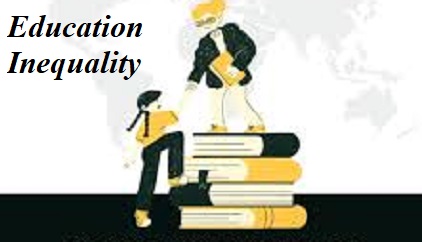
Some learn in safe, well-equipped classrooms, while others face barriers that prevent access to even basic education. Understanding these obstacles is essential to finding lasting solutions.
Education Inequality: Why Some Children Can’t Go to School
Poverty: The Root of Limited Access
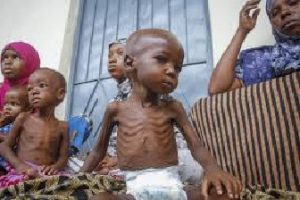
Poverty remains one of the biggest reasons children miss school. Families struggling to meet basic needs often cannot afford fees, uniforms, books, or transportation. In many low-income households, children must work to support the family instead of attending school. This issue is especially severe in rural areas, where jobs are scarce and survival takes priority. Missing education traps children in a cycle of poverty, limiting their skills and job prospects as adults.
Geographic Barriers: Distance and Isolation
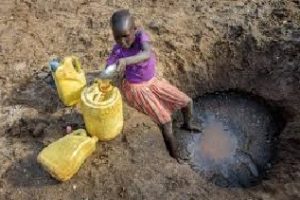
Where a child lives often determines their access to education. Remote or rural communities may lie far from schools, forcing children to walk long distances. These journeys can be dangerous, especially where infrastructure or security is poor. Rural schools often lack proper classrooms, clean water, electricity, and learning materials. They may also suffer from teacher shortages. Even when schools exist, children in these areas may receive a lower-quality education than their urban peers.
Gender Inequality: Barriers Facing Girls
Gender discrimination limits opportunities for many girls. In some cultures, families prioritize boys’ education while girls stay home to handle chores or care for siblings. Early marriage and teenage pregnancy also drive high dropout rates among girls. These practices prevent girls from completing school and reduce their future prospects. Educating girls benefits families, strengthens economies, and builds fairer societies.
Conflict and Instability: Disrupted Learning
War, violence, and political instability disrupt education. In conflict zones, schools are destroyed, damaged, or used for military purposes. Families often flee their homes, becoming refugees or internally displaced. Children face interrupted schooling, trauma, and unstable living conditions, all of which hinder learning.
Discrimination and Social Exclusion
Children from marginalized groups face exclusion based on race, ethnicity, religion, disability, or social background. Many children with disabilities cannot access inclusive schools, trained teachers, or learning materials. Social stigma discourages families from sending children to school, leading to lower enrollment and higher dropout rates.
Poor Quality Education: When Access Isn’t Enough
Attending school does not always guarantee learning. Overcrowded classrooms, untrained teachers, and lack of materials can hinder progress. Some children spend years in school without mastering basic reading, writing, or math skills—a phenomenon called “learning poverty.” High-quality education is crucial to equip children with the skills they need for the future.
Cultural Beliefs and Attitudes
Cultural norms also affect school attendance. Some communities do not value formal education, especially for girls or children with disabilities. Traditional practices can discourage schooling or assign children other responsibilities. Community engagement and awareness campaigns can shift these attitudes over time.
Government Policies and Funding
Government support plays a key role in reducing inequality. Insufficient funding leads to poor infrastructure, teacher shortages, and lack of resources. Corruption and mismanagement make matters worse. Countries that invest in education and enforce strong policies achieve higher enrollment and better learning outcomes. Programs like free education, school meals, and scholarships increase access for disadvantaged children.
The Digital Divide: Technology as a Double-Edged Sword
Technology can transform learning by offering online resources and digital tools. However, it can also widen gaps between children with and without access. Many in low-income or rural areas lack internet, computers, or electricity. The COVID-19 pandemic revealed this divide, leaving children without digital access behind. Inclusive tech solutions are essential to bridge this gap.
Education Inequality Solutions: Bridging the Education Gap
Solving education inequality requires a comprehensive approach. Governments must build schools, train teachers, and offer free or affordable education. Social programs can help families in poverty, reducing the need for child labor. Scholarships and awareness campaigns can keep girls in school. Inclusive policies should support children with disabilities and marginalized communities. Collaboration between governments, organizations, and communities can ensure resources reach those in need.
Education Inequality Conclusion: A Call for Equal Opportunity
Education inequality prevents millions of children from reaching their potential. Poverty, location, gender discrimination, conflict, and lack of resources all contribute. Although progress exists, much more work is needed. Education is a human right and a tool to break the cycle of poverty. Addressing these root causes can create a world where every child can learn, grow, and succeed.