The Global Water Crisis: Why some Children Lack Clean Water
The Global Water Crisis: Why Millions of Children Still Lack Clean Water
The global water crisis is one of the most urgent challenges facing humanity today, and children remain at its center. Despite progress in some regions, millions of children still lack access to safe, clean water. This gap puts their health, education, and future at risk.
Over 450 million children live in areas with high or extreme water vulnerability. This means about one in five children does not have enough safe water for daily use. Climate change, rapid urban growth, and poor infrastructure drive this crisis. These factors also cause more than 1,000 deaths each day among children under five from preventable water-related diseases.
The Global Water Crisis: Why Millions of Children Lack Clean Water
Climate change and drought play a major role in water scarcity. Long dry seasons reduce water supply, while floods contaminate available sources. These changes continue over time and disrupt natural water cycles. As a result, many communities rely on unsafe water.
Poor infrastructure and weak water management also worsen the problem. Many cities grow faster than their water systems can handle. This leaves millions without reliable access to clean water. In rural areas, many water systems no longer work or receive proper maintenance. Poor management leads to water waste, overuse, and pollution.
Conflict and instability increase the crisis in many regions. Violence damages water systems and limits access to basic services. In places like the Sahel, insecurity prevents repairs and new projects. Many families flee their homes and settle in crowded areas with limited water and sanitation.
Water insecurity affects poorer countries the most. Children in these regions face a much higher risk of lacking safe drinking water and sanitation. While some children enjoy clean water daily, others struggle to find even a small supply. This gap shows how closely water access links to poverty and inequality.
The Global Water Crisis: The Impact on Children
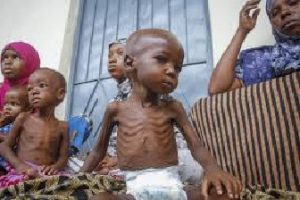
The effects on children are severe and far-reaching. Unsafe water and poor sanitation spread diseases like diarrhea, cholera, and dysentery. These illnesses kill over 1,000 young children each day. Frequent sickness also weakens the body and increases the risk of malnutrition. Many children then experience stunted growth and long-term health problems.
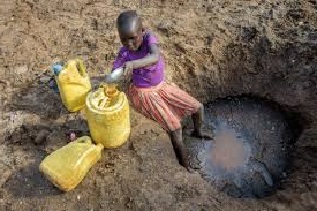
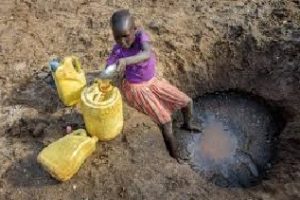
Lack of clean water also creates time poverty. Many women and children spend hours each day fetching water. They often walk long distances and face safety risks. This routine takes time away from school and work. As a result, many children fall behind in education.
Organizations such as UNICEF continue to respond to this crisis. Programs like Water Security for All aim to provide support in high-risk areas. However, millions of people still lack basic drinking water. Billions also live without proper sanitation, which shows the scale of the challenge.
Gender Inequality: A Hidden Impact
Gender inequality remains a key part of the water crisis. In many communities, girls take responsibility for collecting water. This duty limits their time for school and personal growth. It also exposes them to physical risks during long journeys.
Poor sanitation also affects girls’ health and dignity. Many lack safe and private facilities, especially during menstruation. This challenge often leads to missed school days. Globally, women and girls spend about 250 million hours each day collecting water. This burden slows their progress and deepens inequality.
Why This Crisis Matters
Clean water supports every part of life. It protects health, supports education, and drives economic growth. It also upholds basic human rights. Without safe water, children cannot grow or succeed. Communities then remain trapped in poverty.
The Way Forward
Solving the water crisis requires strong and consistent action. Governments and organizations must invest in water systems such as wells, pipes, and sanitation facilities. They must also address climate change and protect water sources. Education and awareness can help communities manage water better. Strong policies and global cooperation will ensure fair access for all.
The Global Water Crisis Final Thought
The global water crisis reflects inequality as much as scarcity. Some children turn on a tap with ease, while others walk miles for unsafe water. This contrast highlights the deep imbalance in the world. Every child deserves clean water. Solving this crisis will help build a healthier, more equal, and sustainable future for everyone.